Environmental challenges.

Energy efficiency.

Catch residential energy waste before bills spike
Build an agent that watches home heating/cooling signals and flags insulation or HVAC waste early, so bills don't spike before anyone notices the leak.
Expose hidden electricity costs in small businesses
Build an agent that maps which equipment and processes are quietly eating power and shows where to cut first, so small businesses stop paying for energy they can't see.

Shift flexible electricity use off peak hours
Build an agent that finds shiftable loads and suggests when to run them off-peak, so homes and shops stop slamming the grid at the worst hours.
Stop renewable electricity going unused on the grid
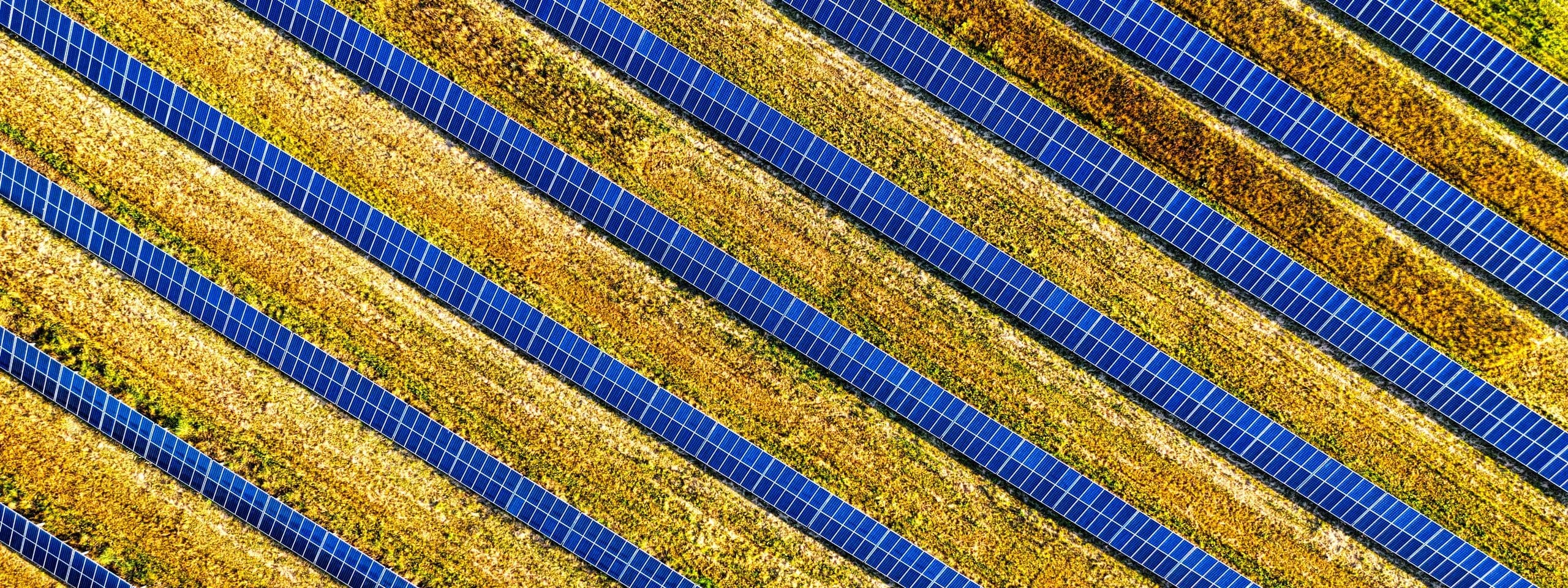
Build an agent that spots when clean power can't get where it's needed and proposes use/storage/routing options, so renewable electricity doesn't go unused.

Compare energy use across multi-site businesses
Build an agent that normalizes messy site energy records into one comparison and ranks the worst sites, so multi-location businesses can finally see where energy is leaking.
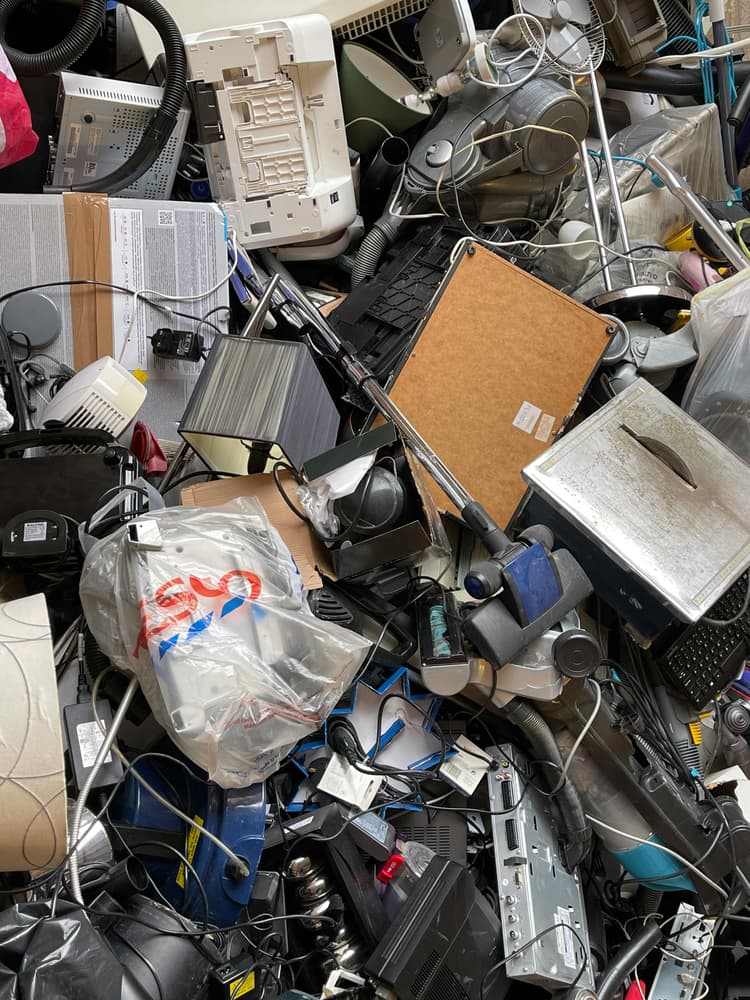
Circular economy.

Make repair-or-replace decisions before discarding products
Working products are thrown away because owners cannot tell whether repairing them is worth the cost.
Match surplus products to nearby business buyers
Build an agent that finds nearby businesses that need your surplus and opens the match fast, so stock doesn't get dumped while someone else buys the same thing new.


Water conservation.
Target irrigation to where crops actually need water
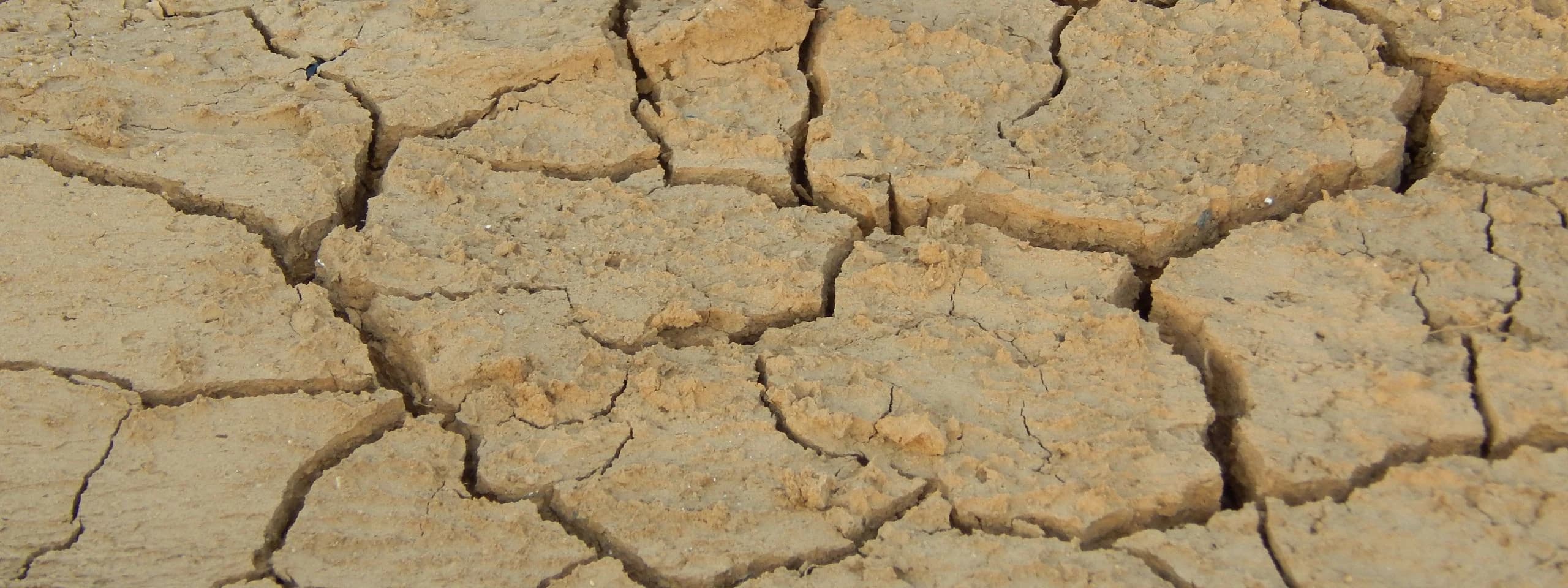
Build an agent that maps which parts of a field are thirsty vs already wet and tells irrigation where to go, so farmers stop soaking spots that don't need it.
Align irrigation schedules with soil and weather data
Build an agent that reads soil moisture and weather and proposes when to water (or wait), so schedules stop ignoring what's actually in the ground and sky.
Distinguish temporary from sustained water demand rises
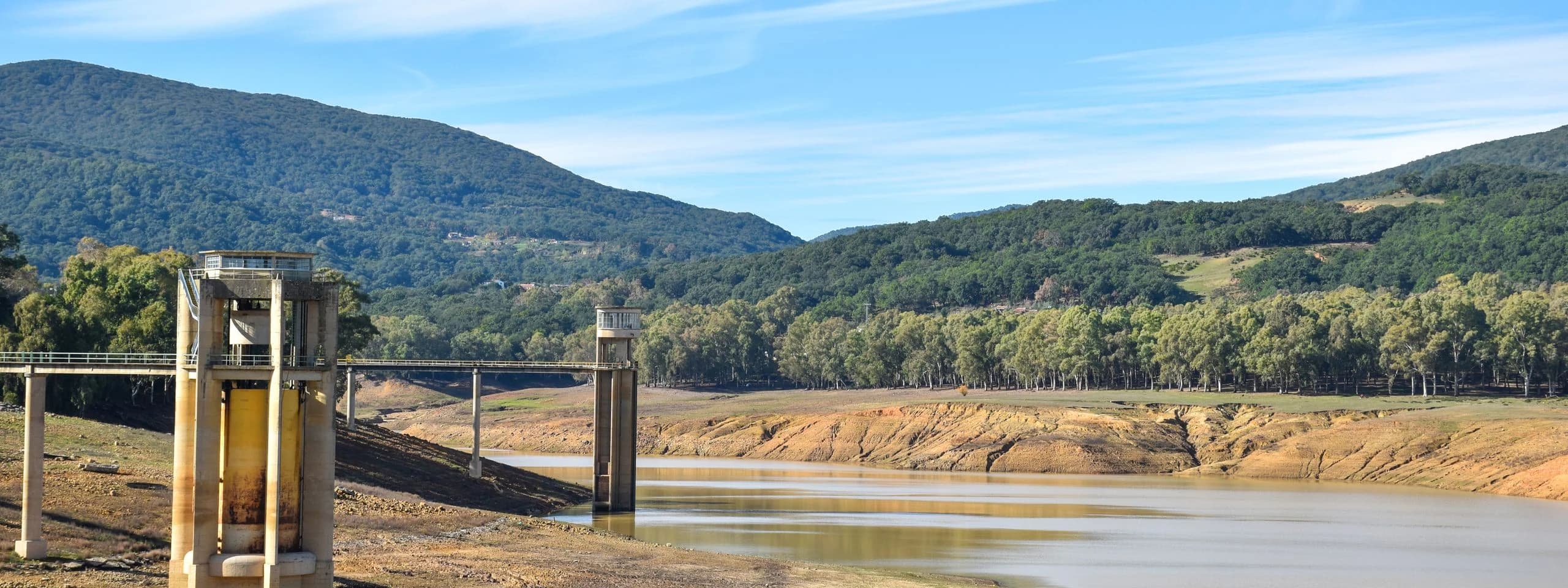
Build an agent that checks whether a demand spike is a blip or a lasting rise and flags what utilities should do, so shortages don't get worse from misreading the surge.
Show households which activities drive water use
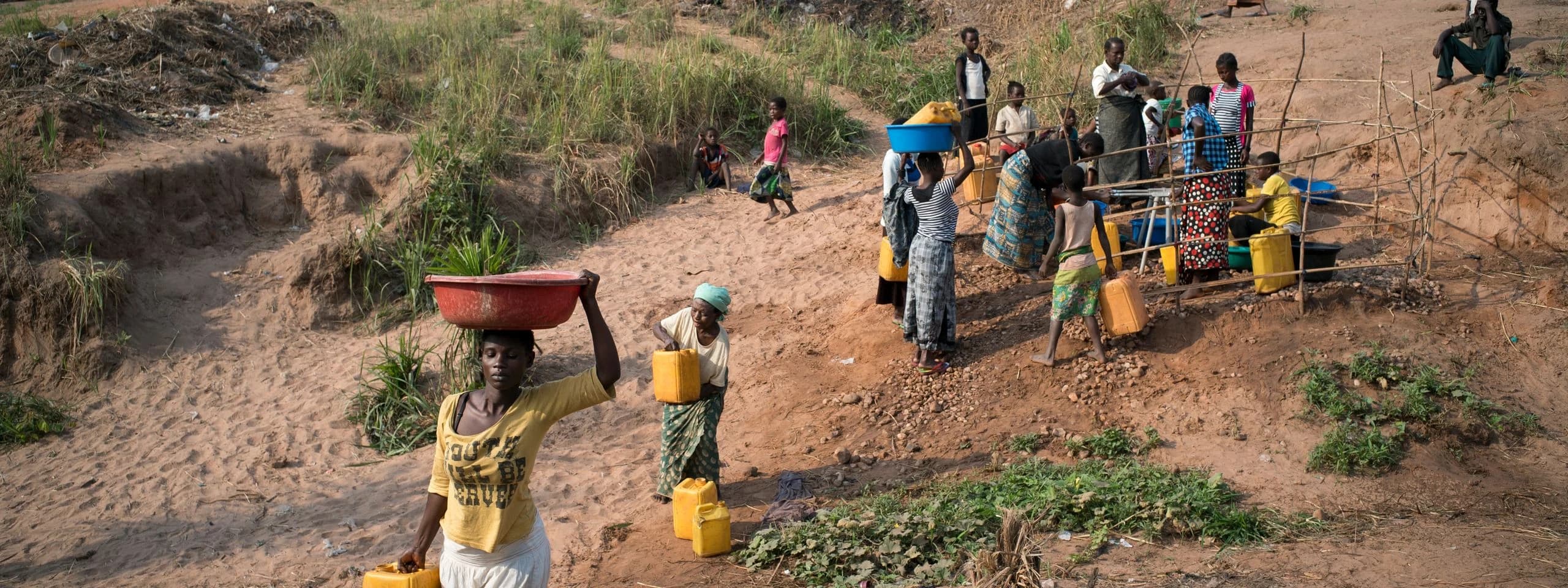
Build an agent that ties usage to daily activities and shows what to change first, so households stop wasting water without knowing why.
Close the gap between urban water demand and supply
Build an agent that compares city demand vs reliable local supply and surfaces the biggest gaps to fix, so cities see the shortfall before the taps run short.
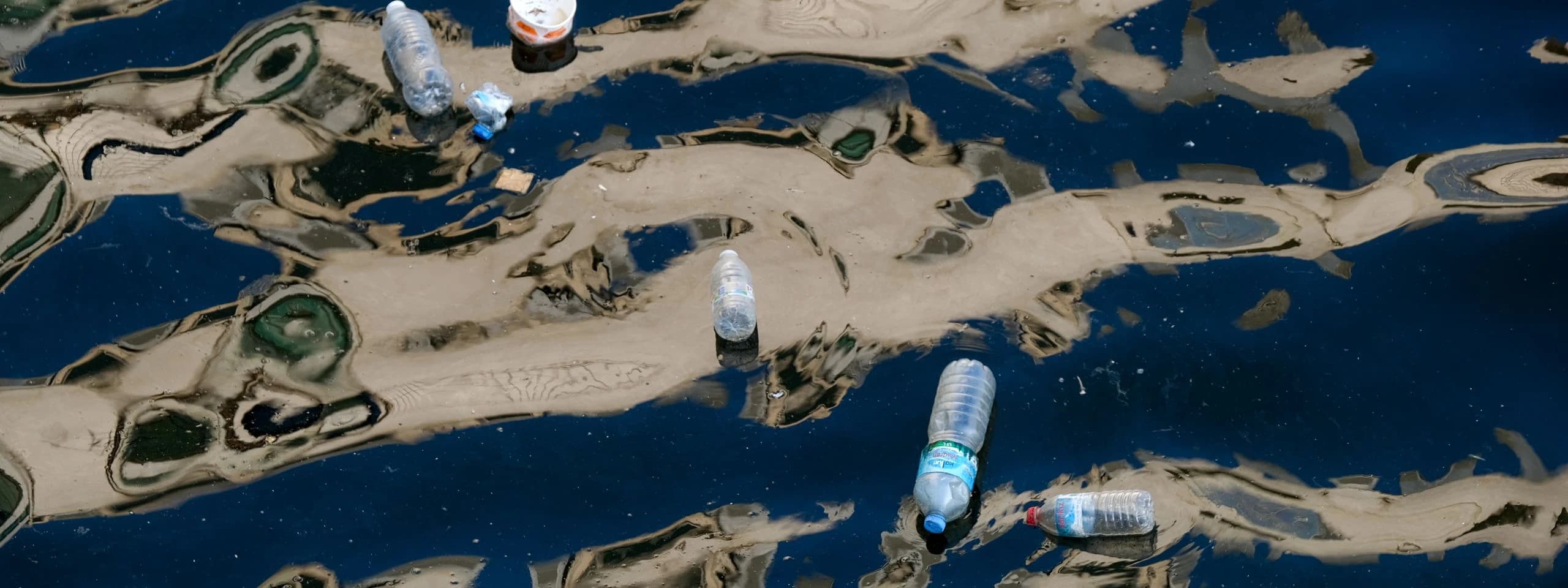
Detect water contamination earlier in distribution pipes
Build an agent that spots early contamination signals in the pipe network and alerts where to check, so bad water doesn't reach people first.
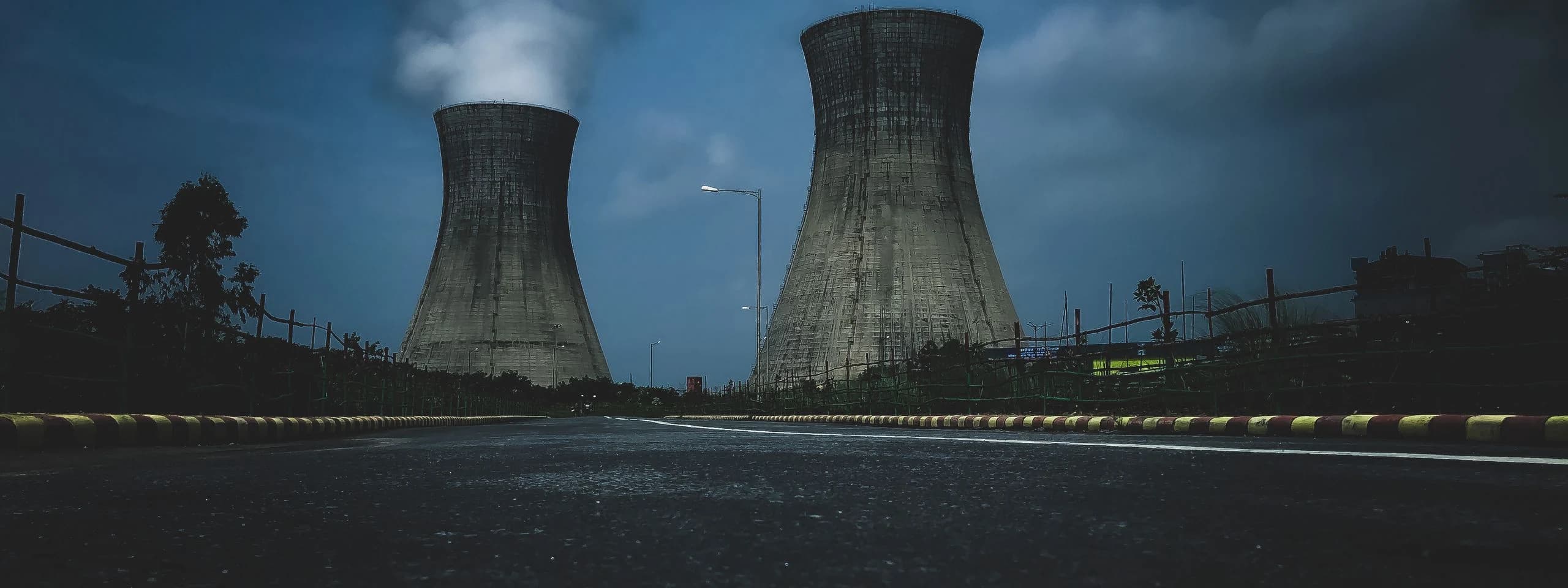
Identify highest-water processes in industry
Build an agent that ranks which processes drink the most water and what to cut first, so industry can reduce use instead of guessing.

Green transportation.
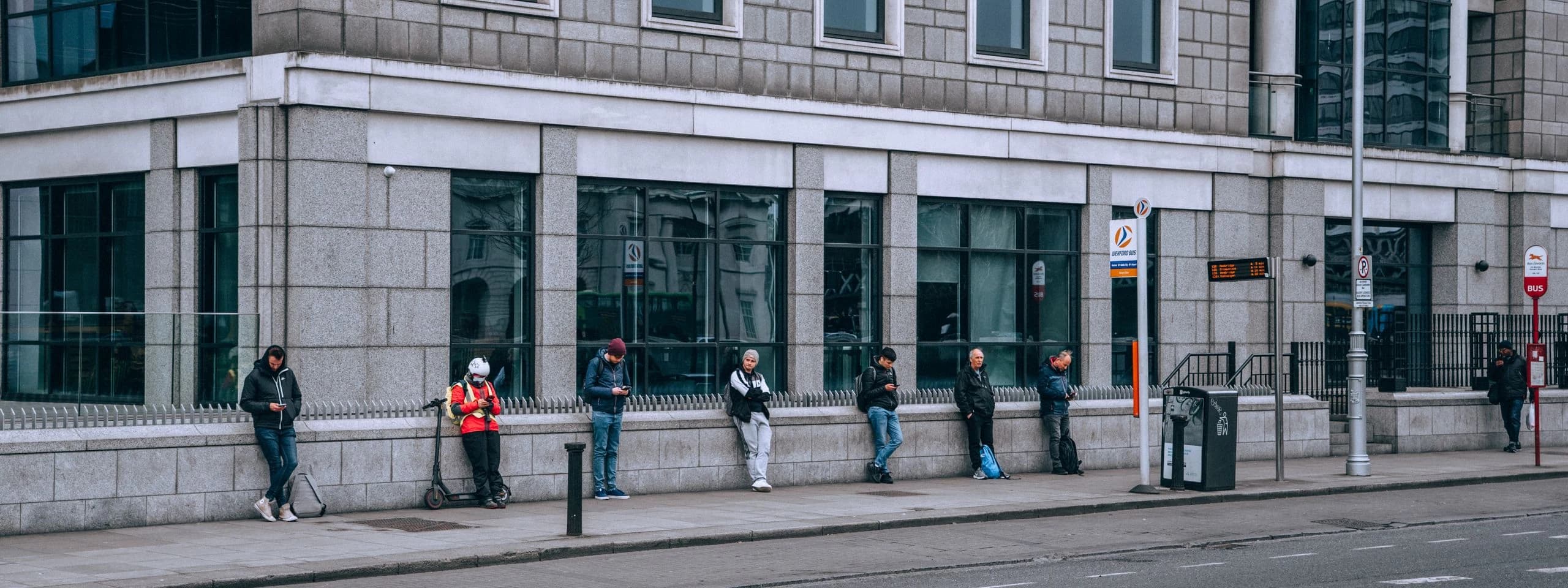
Stop public transport delays spreading across routes
Build an agent that catches delay knock-ons early and suggests how to contain them, so one late line doesn't cascade across the network.
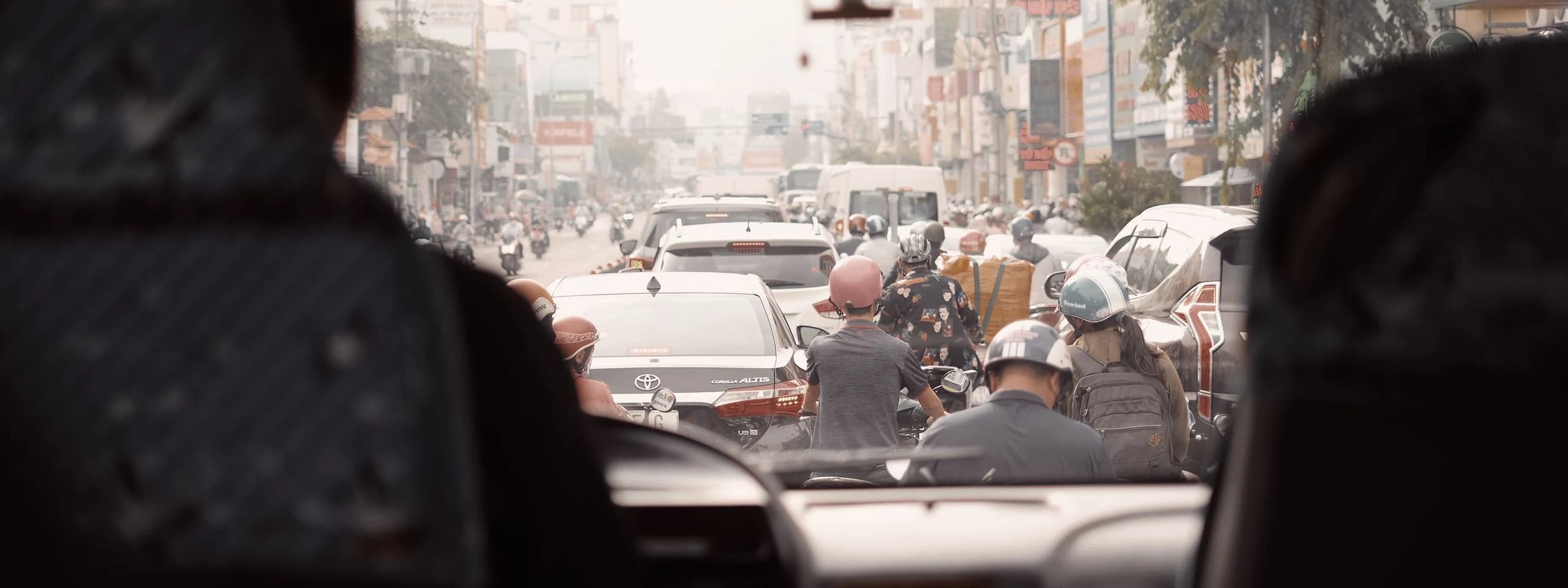
Find inefficient driving patterns in vehicle fleets
Build an agent that spots wasteful fleet driving patterns and suggests concrete changes, so fleets stop burning fuel on avoidable routes and habits.

Match bus routes to changing passenger demand
Build an agent that reads shifting ridership and proposes route or schedule tweaks, so buses stop running empty on some lines while people wait on others.

Biodiversity protection.
FAQ
Everything you need to know about participating.
Who can participate?
Is it free?
How to get started?
- Create an account.
- Choose a challenge you would like to work on.
- Follow guides to solve the problem (solo or in a team).
- Submit your solution.
- Receive feedback from experts and see results at the start of each month.
Are there any deadlines?
Can I participate as part of a team?
How to obtain assistance from mentors?
Can participants apply multiple times?
Join our community
 today.
Join our challenge and turn your ideas into impactful solutions! Collaborate with experts, develop crucial skills, and tackle real-world problems. Your creativity could be the key to driving sustainable change.